

Acne, a type of skin condition typically appearing during adolescence, can also manifest in adulthood. Acne scars, known as the marks left after pimples heal, can present as deep pits and cysts. Thanks to advancing technology, the appearance of acne scars can now be significantly improved.
- Years ago for acne scars a sanding procedure called “Dermabrasion” was applied to reduce them. Although this sanding method, used by plastic surgeons for a long time, yielded highly positive results in some patients, it was not sufficiently effective for the general population. The inadequacy of this technique led us to seek better alternatives. (These types of applications are no longer used in our clinic.)
- Subsequently, second-stage TCA peeling, also known as chemical peeling, emerged. This method involves peeling the problematic area, followed by the formation of a smoother epithelial tissue. (These types of applications are also no longer used in our clinic.)
- Since this method alone did not achieve the desired results, we combined chemical peeling with sanding applications. Although this third-stage application yielded more positive outcomes, the potential for complications led aesthetic surgeons to seek more technological solutions. (These types of third-stage treatments are also no longer applied in our clinic.)
- Laser technology began to be used to minimize the risk of complications and achieve a smoother peeling process. While first-generation lasers were insufficient in achieving desired results, later developed Erbium and Carbon Dioxide lasers performed effective peeling, yielding highly successful outcomes in forming smoother new epithelial tissue.
Despite the rapid advancement of laser technology, even today, achieving a completely flawless reset has not been possible. In patients where a 30-40% improvement was typically observed, this improvement has now reached 50-60%. With annual routine repetitions, the indented skin surface has been made smoother. Especially for individuals with darker skin tones, a pre-treatment is applied to reduce the likelihood of pigmentation after the peeling process. In this pre-treatment, medications such as Retin-A (Tretinoid Acid) and Expigment are used for three to six weeks before the peeling, and laser application begins after the medication therapy. After this peeling process, redness that resolves within 1 to 3 months occurs on the skin; this was a significant problem for men who do not wear makeup, rather than for women who can. The application should not be performed during months with strong sun exposure, especially in summer. Even in winter months when the sun’s effect is minimal, high-factor sunscreens must be used after the application.
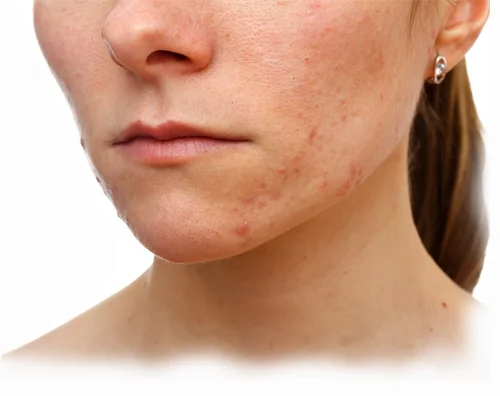
Technology-focused research continued to achieve more positive results, leading to the emergence of a new device called Fraxel, the inventor of Fractional Laser, which received FDA approval. Thanks to Fraxel, the same result could be achieved after 5-6 laser applications without the need for peeling. One of the advantages offered by this device is that redness lasts only 1-2 days. Since no peeling is performed, the risk of scarring is also very, very low. Another important advantage is the very low risk of hyperpigmentation in individuals with darker skin tones. While varying from person to person, an average improvement of 30-40% can be achieved with 5 sessions, and rarely, higher improvements can be obtained.
Revisiting the past, Fractional lasers have reappeared, this time as Carbon Dioxide lasers. These lasers provide faster healing and often require only a single session. With a peeling-type Fractional laser device, an average improvement of 40% can be achieved in a single session. Since sunlight has a high impact in summer, winter months are preferred, and high-factor sunscreens must be used. Acne scars do not only mean pitting in the epidermis and partial loss of the dermis; they also mean pitting caused by scar tissues and tissue atrophy. Therefore, in recent times, in addition to peeling, sub-dermal intervention methods are also being used. This treatment, performed sub-dermally with tissue cocktails and micro-injections of fat tissue, helps fill the pits and promotes self-renewal. This effect, achieved through the repair of tissues by stem cells, is now widely known by a large part of our population.
To summarize the latest technology; treatment is performed either with 5-6 sessions of non-ablative Fractional laser combined with micro fat tissue treatment, or with a single session of ablative Carbon Dioxide laser combined with fat injection. It is advisable to repeat laser peeling once a year, and fat injections 3-4 times every 3 months. However, patients should not harbor unrealistic expectations of achieving perfectly smooth skin. Properly informing the patient is a significant responsibility of the doctor.
Repeating the treatment for acne scars at annual intervals is beneficial.
Let Us Call You
We will contact you immediately upon receiving your message. Required fields are marked with *.

